“When bacteria are exposed to extreme environments like space, the UV, microgravity, space radiation and vibrations can be very challenging for them to physically survive.”
Vera Mulyani and her team at Astrobiome Space were joined by funding officers from ESA and LSA and colleagues from Japan and the USA on 15 October at the Luxembourg Institute of Science and Technology in Hautcharage to celebrate three years of activity in the Grand Duchy of Luxembourg.
Founded in 2022, the company specializes in human health products (food supplements of the ‘super-postbiotic’ type derived from Japanese R&D expertise) and agricultural solutions (bio-fertilisers). It has collaborated with space agencies, such as the Luxembourg Space Agency and NASA, to test the impact of space stress and microgravity on bacteria (particularly lactic acid bacteria) in order to maximise the effectiveness of their cellular and antioxidant properties.
“When bacteria are exposed to extreme environments like space, the UV, microgravity, space radiation and vibrations can be very challenging for them to physically survive,” said Vera. Upon their return from space, the bacteria are co-cultured, producing fermented metabolites with unique properties. The results so far have been extremely promising, especially in relation to a test involving the application of the space-charged bacteria on strawberry plants.
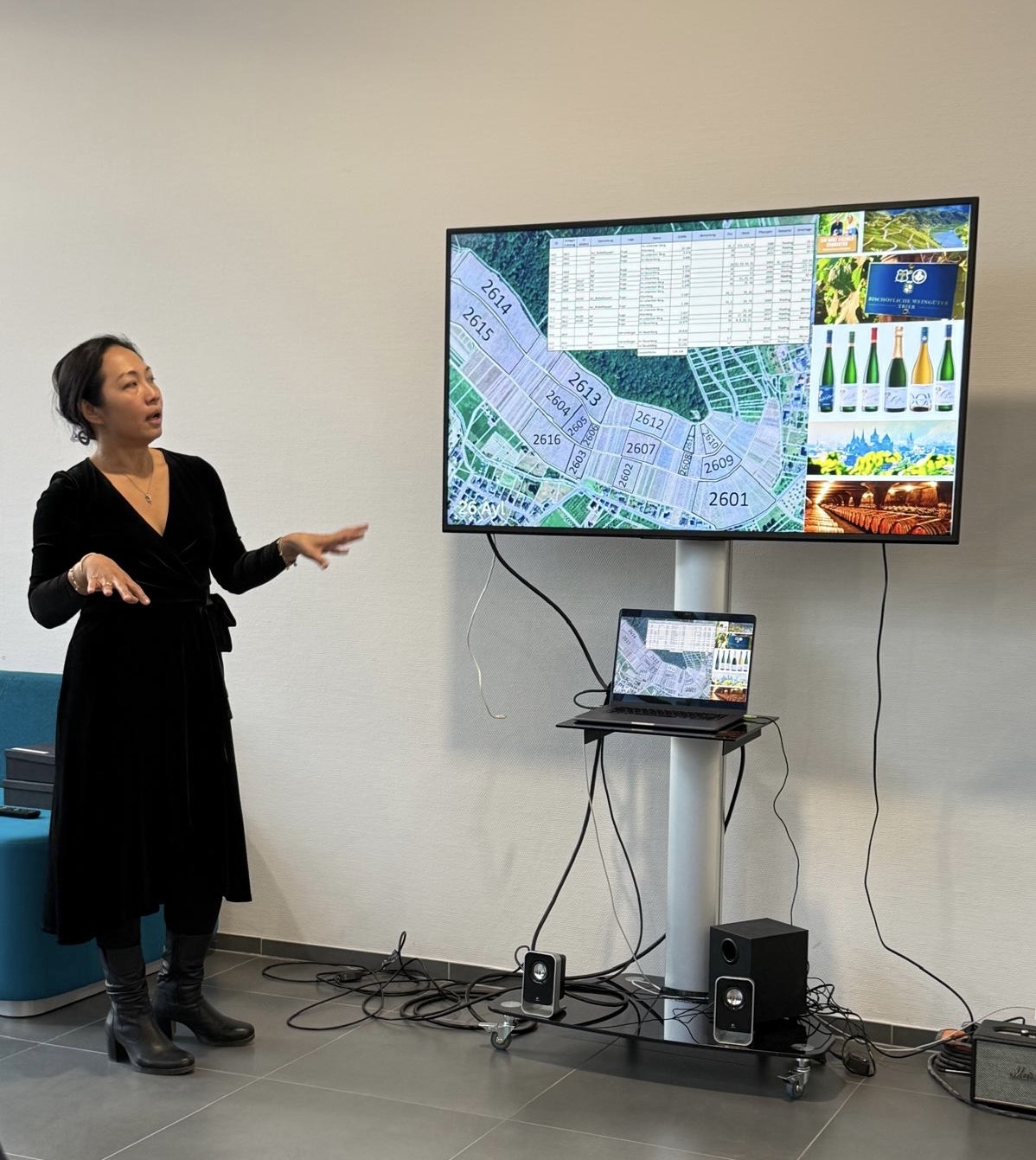
As part of a new ESA Spark Funding project, the Astrobiome team will now focus on how its technology can offer a possible solution for improving the quality of soil in three local vineyards located in Luxembourg and nearby Germany and Belgium with a view to enhancing the resilience of the vines to drought and soil empoverishment.